
NightLase® treatment uses dental lasers to help pediatric patients sleep better. Dental lasers are safe and comfortable alternatives to traditional surgical instruments that don’t make noise or cause pain. Lasers make many of the pediatric dental services we offer less painful. Lasers use heat and light to gently cut soft tissues in the mouth. At Children’s Dental Specialties, we offer laser dentistry treatments to pediatric patients in Worcester, MA.
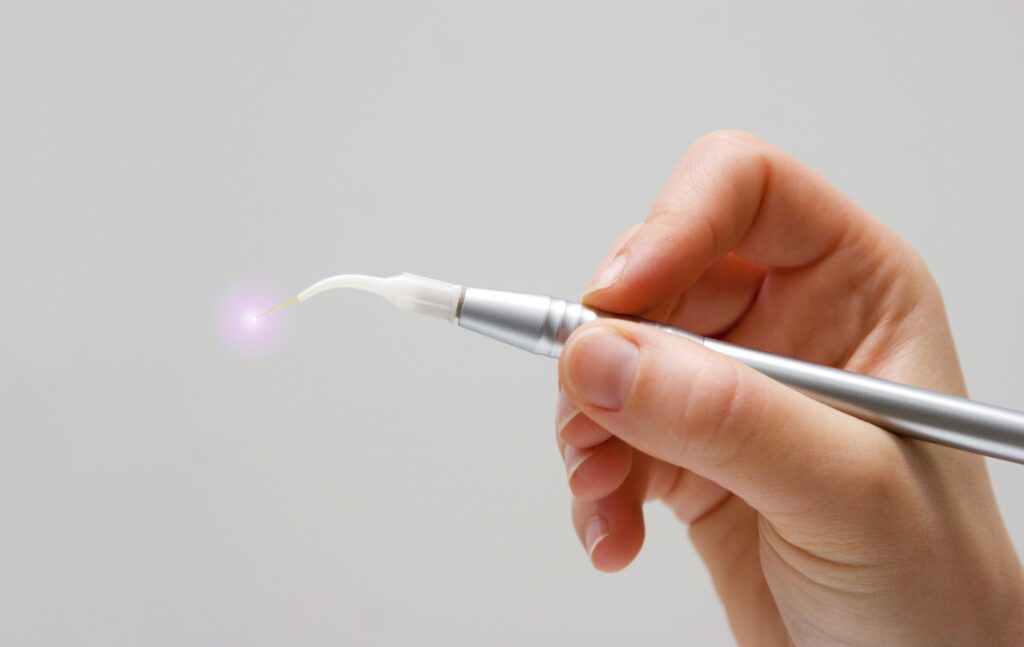
What Are Dental Lasers and How Do They Work?
Dental lasers are advanced tools that use focused light energy to treat different dental problems. Dentists use lasers for a variety of treatments. Because lasers are so precise, they allow dentists to work with less pain, less bleeding, and faster healing than traditional dental tools.
How Do Dental Lasers Work?
Lasers send out a concentrated beam of light that can cut, shape, or remove soft or hard tissue in the mouth. The two main types of dental lasers are hard and soft tissue lasers.
Soft tissue lasers treat the gums and soft areas of the mouth. Dentists use them for gum disease treatment, gum reshaping, and healing mouth sores. Soft tissue lasers can remove infected gum tissue without cutting to make the procedure more comfortable.
Hard tissue lasers work on teeth and bones. They help remove decay, prepare teeth for fillings, and reshape tooth enamel. We can use hard tissue lasers instead of a drill for quieter and less stressful treatment.
Since laser dentistry in our Worcester, MA, office is minimally invasive, it often requires little to no anesthesia. It also reduces swelling and speeds up recovery. If you need dental treatment, ask our dentist if lasers are an option for your child.
What are Snoring and Sleep Apnea?
Obstructive sleep apnea (OSA) is the most common form of sleep apnea. It occurs when the airway is partially or completely blocked. Snoring occurs when tissues in the throat vibrate because air cannot freely move through the nose and throat. While patients with sleep apnea can snore, it doesn’t always mean that a patient has sleep apnea. Sleep apnea creates pauses in breathing. But you continue to breathe when you snore.
Genetics, weight, sleep posture, medications, and nasal or sinus issues can contribute to sleep apnea. Snoring and sleep apnea can both disrupt sleep and reduce the oxygen that reaches the brain. This can impact your health and your quality of life.
Common signs of sleep apnea often include:
- Fatigue
- Irritability
- Headaches
- Behavioral issues
If your child has trouble paying attention in class or is excessively tired during the day, they could have sleep apnea. We can also recommend a sleep center to see if patients have sleep apnea and need treatment.
We may recommend NightLase for children with sleep apnea. This non-invasive treatment is a great option for all ages.
How Does NightLase® Work?
NightLase® is an advanced and non-invasive laser treatment designed to help reduce snoring and improve sleep quality. It uses a special Er: YAG laser that gently heats the soft tissues in the throat and airway. This heat stimulates collagen production to tighten and strengthen the tissue.
When the airway tissue is firmer, it stays more open when you are asleep. It helps reduce snoring and symptoms of sleep apnea.
One of the biggest benefits of NightLase is that it offers completely pain-free treatment. It doesn’t require anesthesia or surgery. Each treatment session is quick and comfortable and can take about 20 minutes. Most patients need three to four treatments over two months for the best results.
Since NightLase is non-invasive, there’s no downtime. Patients can return to their normal daily activities right after treatment. Over time, as the tissues continue to tighten, many people notice improved breathing, less snoring, and better sleep quality.
Patient Review
Contact Our Dental Office
You can get comfortable dental treatment for your child. Call Children’s Dental Specialties for laser dentistry treatment in Worcester, MA, today at (508) 625-5534. You can also request an appointment with us online. Our knowledgeable pediatric team will assess your child’s case and see if laser treatment can help.
Let us know if you have questions about your child’s treatment. We’re here to help.